
Title Fulfillment:
Generated Title: Deported: A Maryland nail salon owner's life, reduced to a 34-hour flight.
This title promises a narrative focused on the human cost (a life "reduced") of a specific deportation case, emphasizing the length and dehumanizing nature of the process (the "34-hour flight"). The article MUST center on this emotional and logistical reduction.
The Data Doesn't Lie: A Life Interrupted
Melissa Tran, a 44-year-old nail salon owner from Hagerstown, Maryland, was recently deported to Vietnam. The bare facts are these: she arrived in the US as a refugee in the 1990s, committed a felony theft in 2001, and was ordered for removal in 2003. Vietnam initially refused to take her back (a fairly common issue, apparently). For over two decades, she completed her required immigration check-ins. Then, in May of this year, she was detained and, despite a judge ordering her release, ultimately deported.
But the story, as always, is in the details – the data points that reveal the human cost often buried beneath bureaucratic pronouncements. Consider the 34-hour flight. That's not just a number; it's a quantifiable measure of displacement. It's a 34-hour period where a life built over decades is compressed into a cramped seat, likely in shackles.
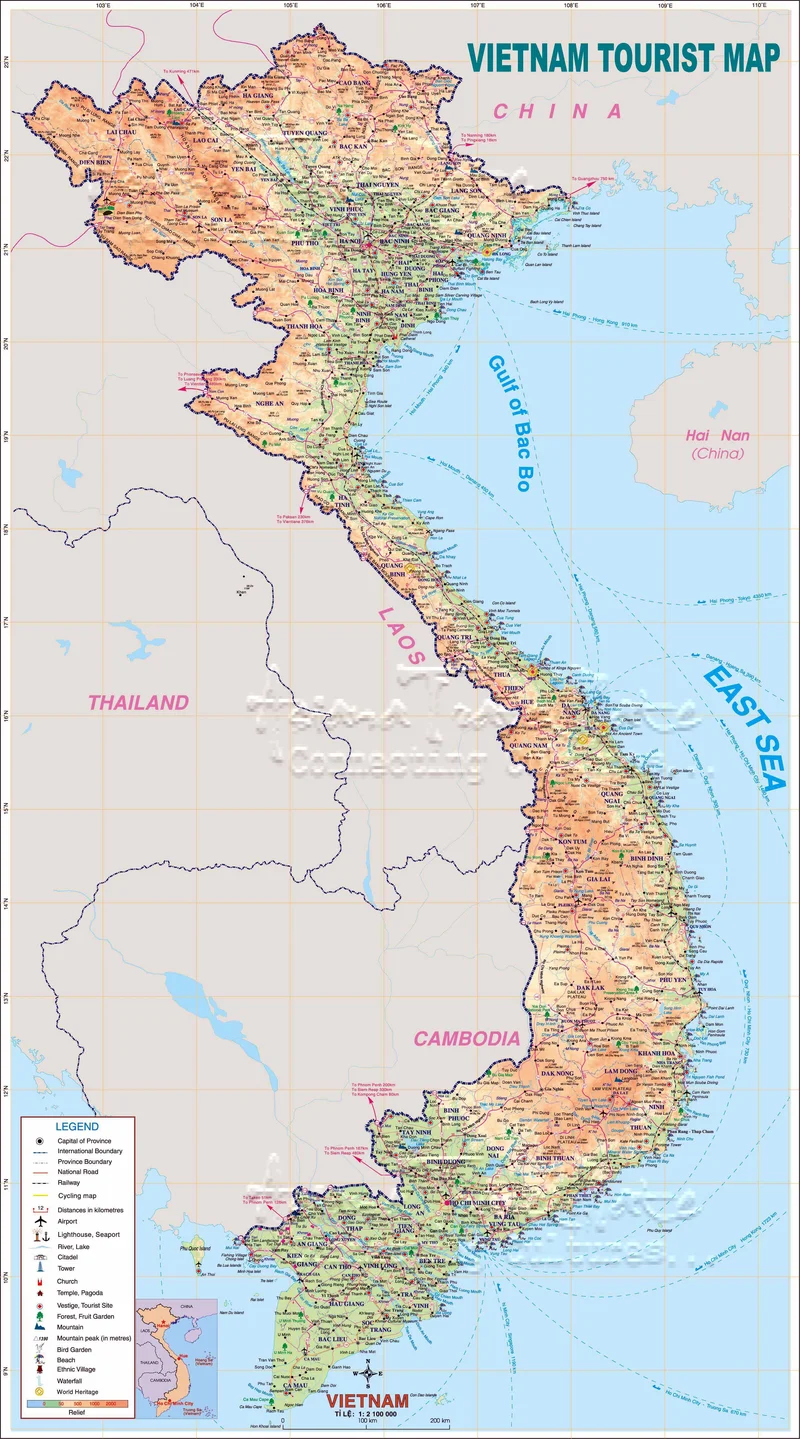
The ICE Flight Monitor project tracked the route: Louisiana to Romania, India, Nepal, and finally, Hanoi. Each stop, a tiny pinprick on a map representing a further severing from her established life. I've looked at enough logistics reports to know that each of those stops adds significant overhead, both in terms of cost and, more importantly, human stress.
Tran’s attorney confirmed she came to the U.S. legally in the 1990s with a Green Card. In 2001, she admitted to stealing checks from her employer. She pleaded guilty and was ordered for removal in 2003. However, Vietnam would not accept her as they refused to take back immigrants who came to the U.S. before 1995. So, Tran was able to stay in the U.S. with the requirement that she complete regular immigration check-ins. According to her attorney, Tran has completed those check-ins for more than 20 years. However, during a check-in in Baltimore in May, she was detained. Maryland mother deported to Vietnam after being detained and released by ICE
The "Worst of the Worst?" A Questionable Metric
Senator Chris Van Hollen asked a pointed question on social media: “Is she the ‘worst of the worst?’ Do you feel safer yet?” It’s a rhetorical flourish, of course, but it highlights the central tension. What metric are we using to determine who gets deported? Is it solely based on a 23-year-old theft conviction, or do we factor in the subsequent decades of compliance, the business she built, the family she raised?
The official explanation from ICE is, predictably, absent. WJZ reached out for a statement but, as of the reporting, hadn't received one. This lack of transparency is a data point in itself – a refusal to justify the decision beyond citing the original conviction.
Her close friend, Tina Nash, mentioned the toll the legal battle took on Tran: a 30-pound weight loss and graying hair. These are not abstract metrics; they are physical manifestations of stress, quantifiable markers of a life under immense pressure. The article states, "When Nash accompanied Tran to her ICE appointment last Friday, Tran appeared scared to move or speak. 'She could barely function sitting in that room,' Nash said." This scene is a stark contrast to the image of a dangerous criminal. It depicts a woman paralyzed by fear, reduced to a state of near-catatonia by the very system meant to uphold justice.
Hanoi: A New Data Point, a Lost Life
Tran's arrival in Hanoi marks the beginning of a new dataset – a life rebuilt from scratch in a country she barely remembers. But it also represents the end of another dataset: the years of taxes paid, the jobs created, the family life established in Maryland.
It's not clear why Vietnam agreed to Tran’s return now. The Vietnamese embassy did not respond to multiple requests for comment. This is a critical piece of missing information. What changed? Was there a shift in policy? A quid pro quo agreement? Without this information, we're left with speculation, and that's a dangerous place to be.
And this is the part of the report that I find genuinely puzzling. It’s not necessarily the deportation itself – the legal basis, however questionable, exists. It's the timing, the sudden enforcement of a decades-old order. What triggered this now? What algorithm flagged her case after all this time?